

On-Page SEO Checklist: Complete Guide to Rank Your Website
On-Page SEO Checklist: Complete Guide to Rank Your Website
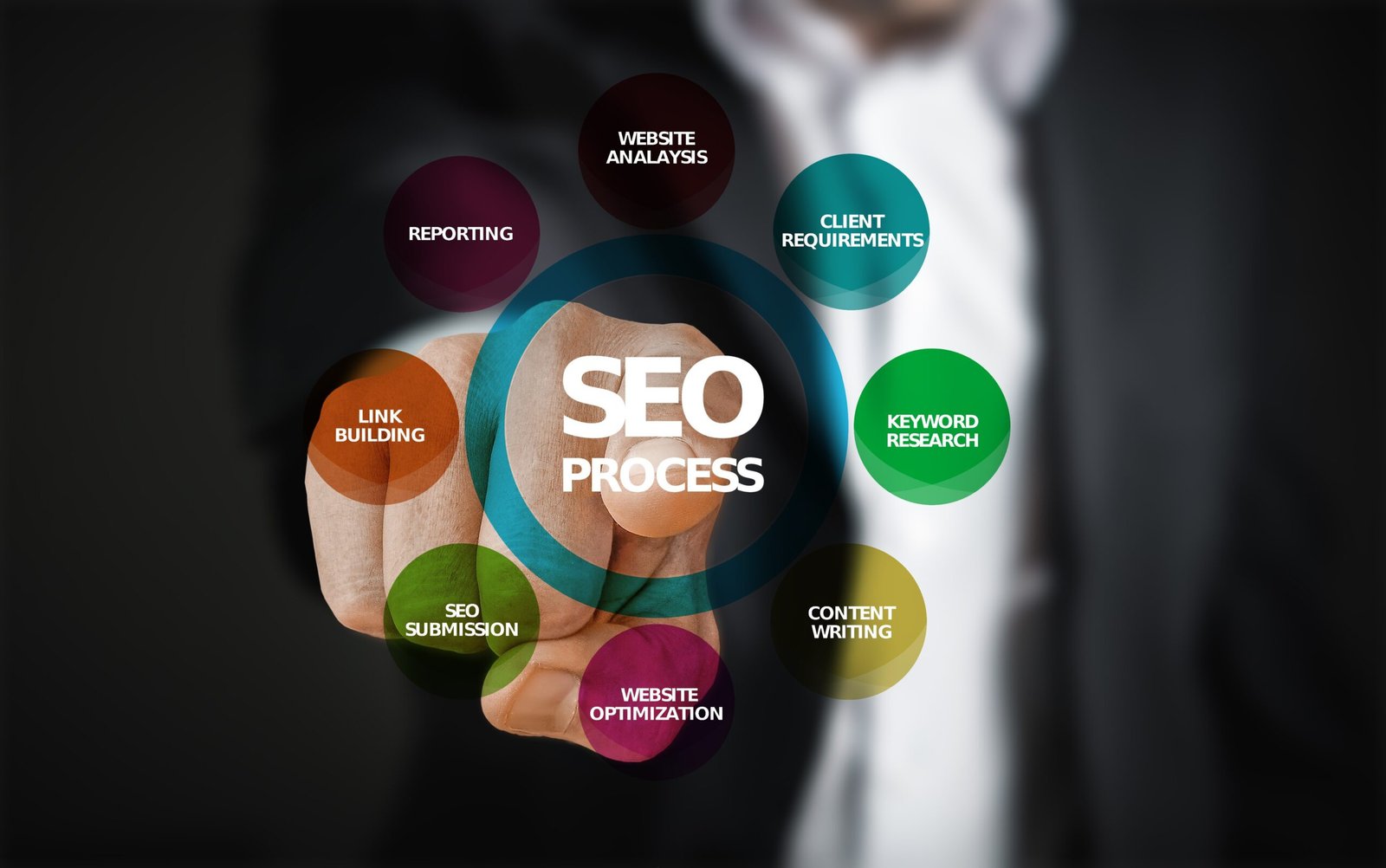
If you want your website to appear on the first page of search engines, mastering on-page SEO is essential. On-page SEO refers to all the optimization techniques you apply directly on your website to improve its ranking and visibility in search results.
In this complete guide, you’ll learn a step-by-step on-page SEO checklist that beginners and businesses can follow to rank their website effectively.
What is On-Page SEO?
On-page SEO is the process of optimizing individual web pages to rank higher in search engines and attract more organic traffic. It includes optimizing content, HTML source code, keywords, images, and overall user experience.
Unlike off-page SEO (which focuses on backlinks), on-page SEO gives you full control over improvements.
Why On-Page SEO is Important
On-page SEO helps search engines understand your content better. When done correctly, it can:
- Improve your search engine rankings
- Increase organic traffic
- Enhance user experience
- Boost website credibility
- Increase conversion rates
Without proper on-page SEO, even high-quality content may not rank.
Complete On-Page SEO Checklist
Let’s go through the most important on-page SEO factors step by step.
1. Keyword Research and Placement
Keywords are the foundation of SEO. Start by finding relevant keywords related to your topic.
Best Practices:
- Use your main keyword: on-page SEO checklist
- Include secondary keywords like:
- on-page SEO guide
- website SEO optimization
- SEO ranking tips
Where to place keywords:
- Title
- Headings (H1, H2, H3)
- First 100 words
- URL
- Meta description
- Image alt text
Avoid keyword stuffing—keep it natural.
2. Optimize Title Tag
Your title is the first thing users and search engines see.
Tips:
- Keep it under 60 characters
- Include your main keyword
- Make it engaging
Example:
On-Page SEO Checklist: Complete Guide to Rank Your Website
3. Write a Compelling Meta Description
Meta description improves click-through rate (CTR).
Tips:
- Keep it under 155–160 characters
- Include main keyword
- Add a call to action
Example:
Learn the complete on-page SEO checklist to optimize your website, improve rankings, and drive more organic traffic easily.
4. SEO-Friendly URL Structure
A clean and short URL helps both users and search engines.
Best Practices:
- Use hyphens (-) instead of underscores
- Keep it short and descriptive
- Include your main keyword
Example:
on-page-seo-checklist-complete-guide
5. Use Proper Heading Structure
Headings organize your content and improve readability.
Structure:
- H1 → Title (only one)
- H2 → Main sections
- H3 → Subsections
Benefits:
- Helps search engines understand content
- Improves user experience
6. High-Quality and Valuable Content
Content is the core of on-page SEO. Your content should be:
- Informative
- Unique
- Easy to read
- Well-structured
Tips:
- Write at least 1000+ words
- Solve user problems
- Use bullet points and short paragraphs
Always focus on user intent.
7. Image Optimization
Images improve engagement but must be optimized for SEO.
Checklist:
- Use compressed images (fast loading)
- Add descriptive file names
- Use keyword-rich alt text
Example Alt Text:
“on-page SEO checklist for website optimization”
8. Internal Linking
Internal links connect your pages and improve navigation.
Benefits:
- Helps search engines crawl your website
- Increases time on site
- Distributes link authority
Tips:
- Link to related blog posts
- Use descriptive anchor text
9. External Linking
Linking to high-authority websites increases trust.
Tips:
- Link to relevant and credible sources
- Do not overuse external links
10. Improve Page Speed
Page speed is a ranking factor. Slow websites lose visitors.
How to improve:
- Compress images
- Use fast hosting
- Enable caching
- Minimize CSS and JavaScript
11. Mobile-Friendly Design
Most users browse on mobile devices, so your site must be responsive.
Checklist:
- Mobile-friendly layout
- Easy navigation
- Fast loading on mobile
12. Use HTTPS (Secure Website)
Security is important for both users and search engines.
Make sure your website uses:
HTTPS instead of HTTP
13.Optimize for User Experience (UX)
Google prioritizes websites that provide a great user experience.
Focus on:
- Easy navigation
- Clear layout
- Readable fonts
- Minimal pop-ups
14. Use Schema Markup (Advanced)
Schema markup helps search engines understand your content better.
Benefits:
- Rich snippets in search results
- Higher CTR
15. Optimize Content for Featured Snippets
Featured snippets appear at the top of search results.
Tips:
- Answer questions clearly
- Use bullet points
- Add FAQs
Bonus Tips for Better Rankings
- Update your content regularly
- Use LSI (related) keywords
- Add engaging visuals
- Reduce bounce rate
Common On-Page SEO Mistakes
Avoid these mistakes:
- Keyword stuffing
- Duplicate content
- Missing meta tags
- Slow loading speed
- Poor mobile experience
Final Thoughts
This on-page SEO checklist is your complete guide to optimizing your website and improving search engine rankings. By implementing these strategies, you can increase visibility, drive organic traffic, and grow your online presence.
Remember, SEO is not a one-time task—it requires consistency and continuous improvement.
Start applying this checklist today and watch your website climb the search results!